
What bugs me about AI
On witnessing the private emerge in public


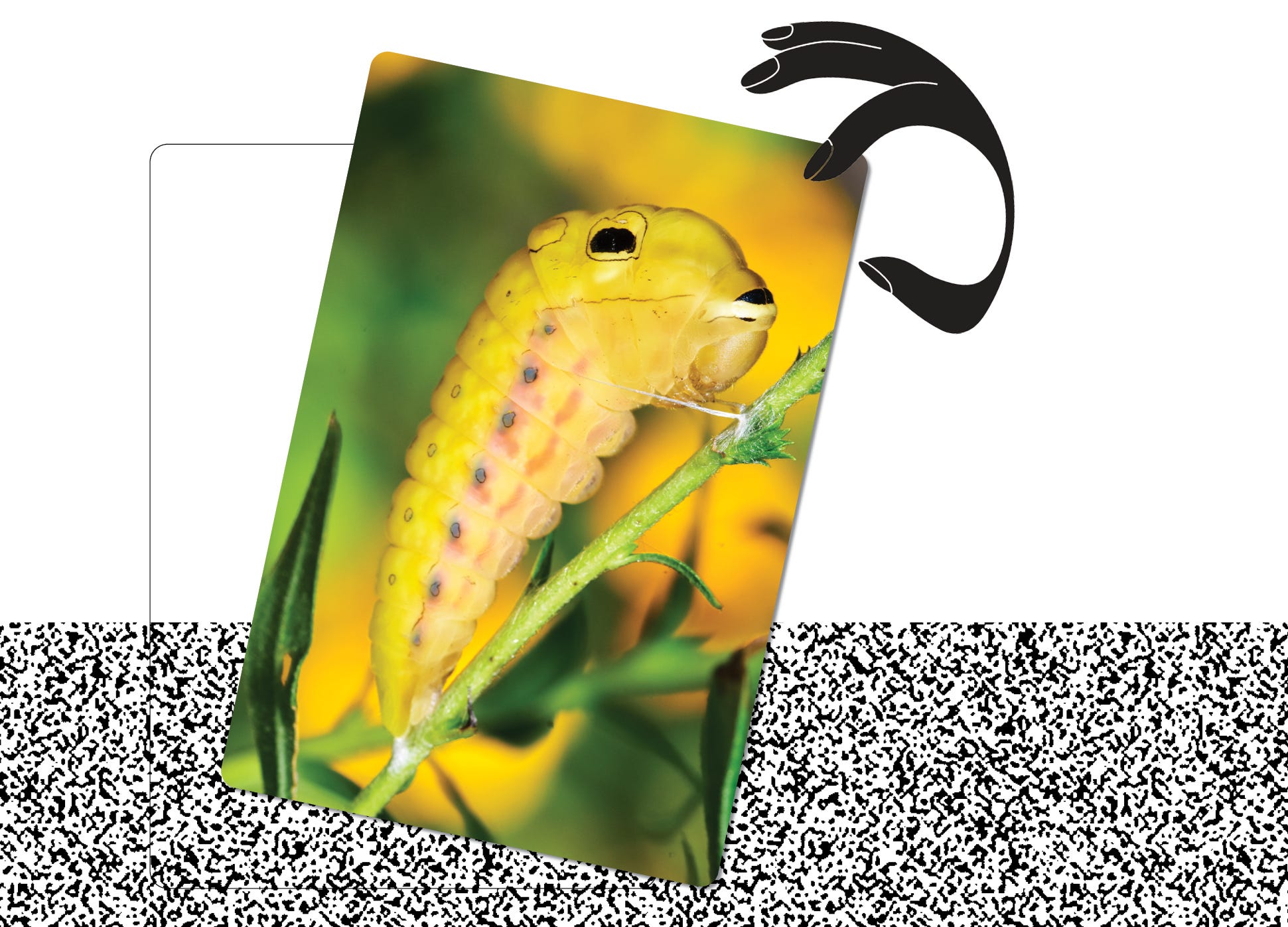
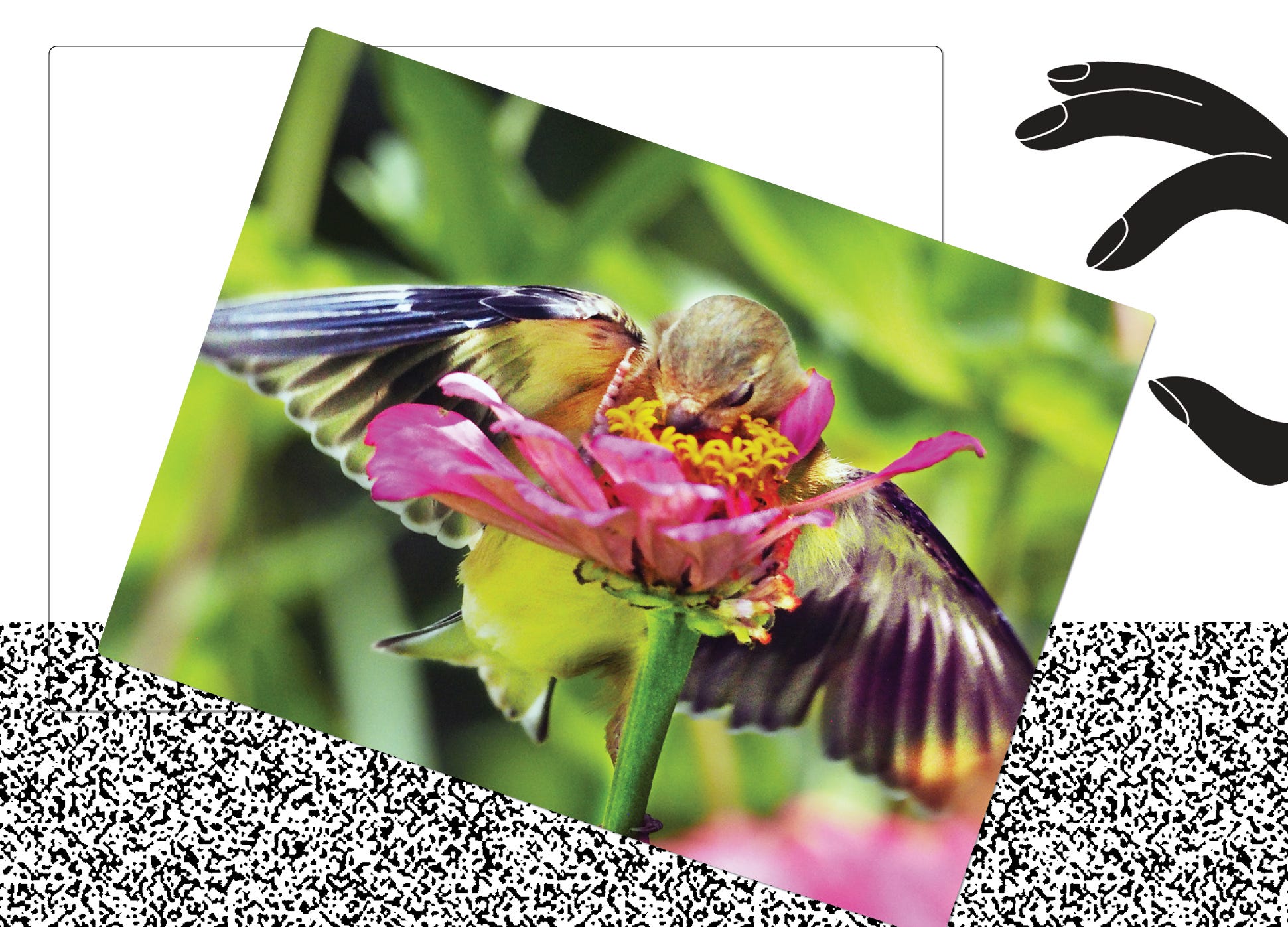
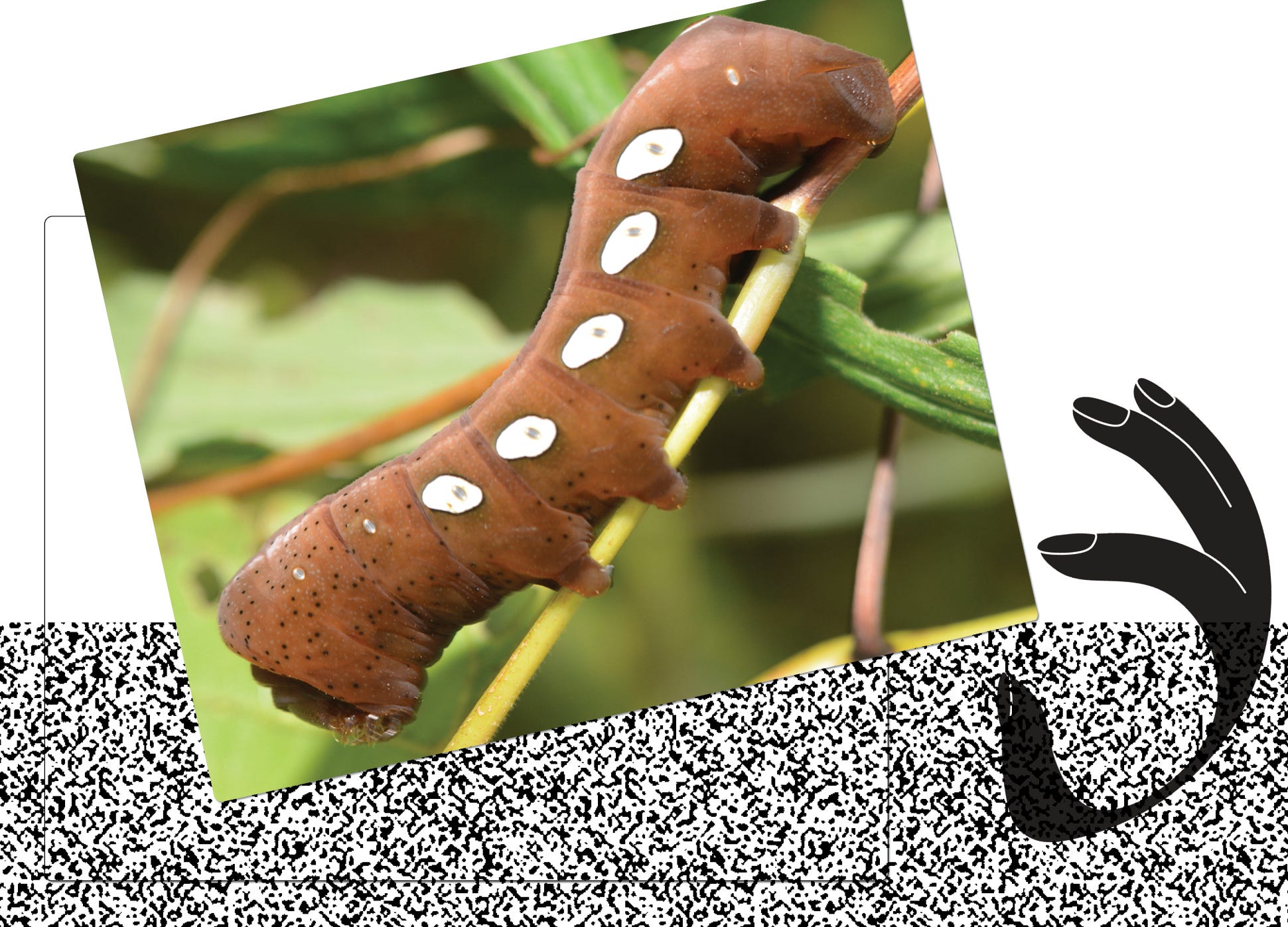
Since I published Someone Has To Be There, the photographer Ken Kerr, who photographed my sister’s funeral, sent me some of the more recent photographs he’s been taking of insects and slugs. They’re macro images with incredible detail, capturing a fleeting moment that only comes from patience and skill. Of particular note is the Spicebush Swallowtail Pupae—Kerr had watched it all summer and was lucky enough to be there the day it emerged. They are the kind of photographs you take because you are still compelled to look closely at the world, even though you’re not being assigned to do that anymore.
Since writing the piece, I’ve received many thoughtful responses. People connected with my openness about being photographed during a moment of crisis and with the conclusion: I was glad he was there, then I was glad he was gone.
When I hit “publish,” I accepted that something deeply private was now becoming public. But I also understood that creativity requires sensitivity and vulnerability that can’t be addressed through abstract musings about technology alone. When we think about the human experience, it’s often the friction that defines it.
One question I’ve been asked is why I wrote the piece now. The answer, inherently, has a lot to do with AI. Even though the article itself never explicitly mentioned it, spending the last few years immersed in conversations around AI and creativity has changed the way I think about most things. It’s reframed human expression, the way we connect, what authenticity means, and what purpose memory actually serves.
This week I went on the Shaun Proulx Show to discuss the article, and the night before the interview I had a dream that I was commissioned to photograph my own corpse. It was me, but looked more like Laura Palmer from Twin Peaks. I didn’t mention it during the recording, but the feeling lingered with me while we talked.
A week before writing the article, I hosted an event around Tim Hetherington where I screened Restrepo and invited conversation about the importance of “being there” as a journalist. One of the things I keep returning to is that traditional photography requires physical presence. Someone has to stand in front of another human being and witness them. We take that for granted until technologies emerge that can generate images without anybody being there at all. It raises the unsettling possibility that being there may no longer be required.
Last weekend I was part of The Globe Foundation’s Photojournalism Summit, speaking on a panel about AI and journalism in a post-truth era. I stayed to watch a later panel on visual storytelling and trauma, which drew me back into thinking about what it means to be in crisis in front of the lens. It was fascinating to oscillate between those two positions: witnessing and being witnessed.
Over the past three years, researching AI and examining how creatives respond to it has strengthened my reverence for photography as evidence that something existed in a moment in time, while preserving it so others can later witness it themselves. The daguerreotype, one of the earliest forms of photography, was called “the mirror with a memory.” Even now, photography still carries an alchemy of science, memory and magic.
Connecting my personal experience to a real-life news story gave me a perspective on my pain that made it feel part of a larger collective experience. Making it public changed my relationship to it. Both photography and my sister’s death are formative parts of my life, but somehow it was AI that made me start holding those things beside each other long enough to see new meaning emerge between them.
That’s what brings me back to Kerr’s insect photographs. They are a reminder that looking closely still matters.